How to Think About Risk Before Buying Digital Assets: For Busy Investors
A practical, plain-English note on how to think about risk before buying digital assets: for busy investors with a focus on risk, process, and everyday decisions.
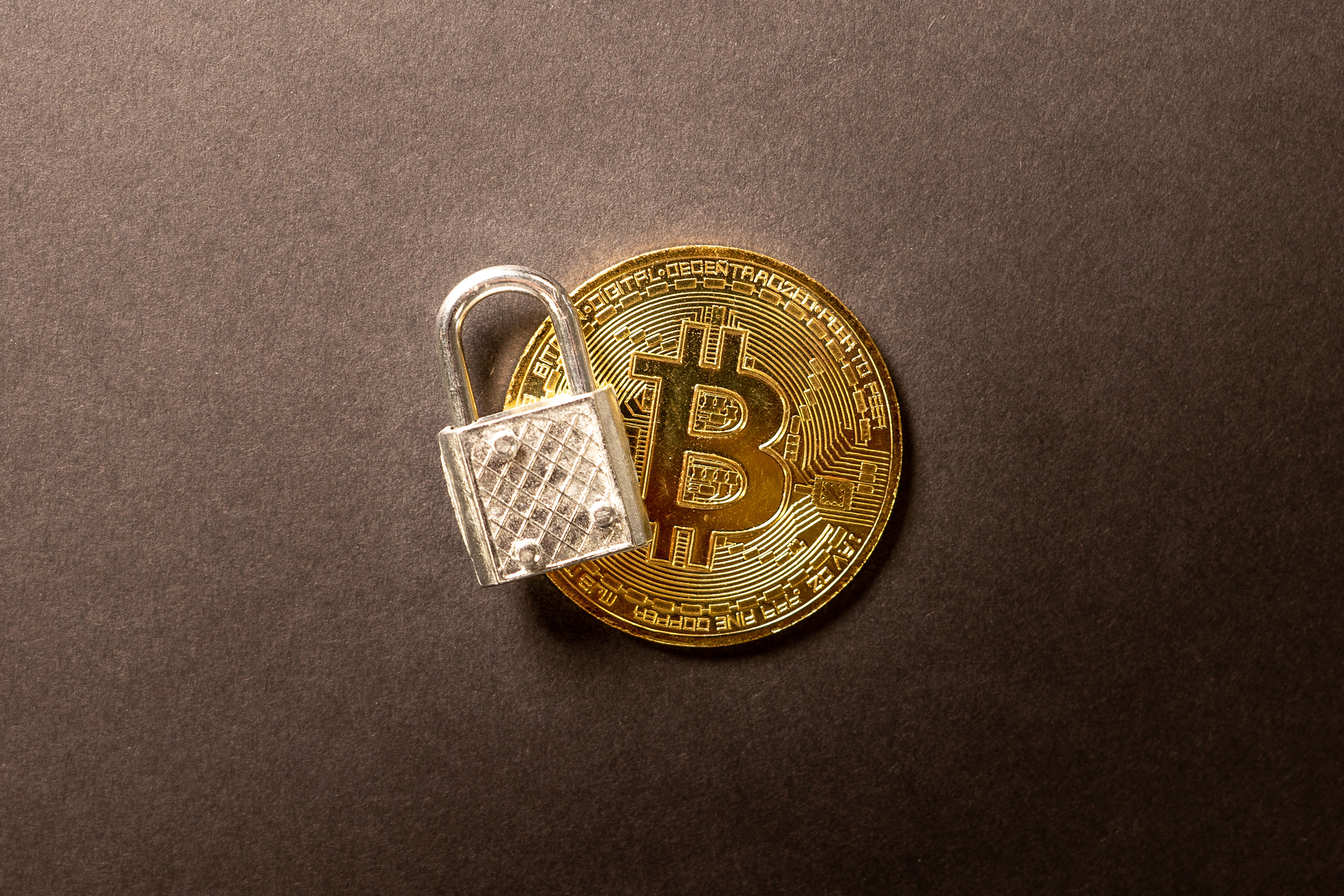

For readers following stablecoins, the useful question is not whether the story sounds exciting. It is whether the mechanics are clear enough to explain without relying on hype. The topic behind "how to think about risk before buying digital assets: for busy investors" sits at the intersection of behavior, risk, and basic operations. That is why a calm checklist usually beats a fast reaction. A good process does not remove uncertainty. It makes the uncertainty visible enough that a person can choose a smaller step, pause, or walk away.
Keep Records Early
Good records are easier to keep from the beginning than to reconstruct months later. Save dates, amounts, transaction IDs, platform names, and the reason for each transfer. This matters for taxes, support cases, and personal review. This is also where basic personal finance still matters. Emergency savings, debt, income stability, and concentration risk should come before any speculative allocation.
Prefer Clear Explanations
If a product cannot explain where returns come from, who takes the other side, and what happens under stress, the user is being asked to trust a black box. Clear language is not a guarantee, but vague language is useful evidence. The strongest habit is to write down the reason for the decision before acting. If the reason changes every time the market moves, the plan was probably never a plan.
Watch the Fees
Fees are not only the visible trading charge. Spreads, withdrawal costs, network fees, card fees, and currency conversion can all change the final result. A legitimate plan includes the full path in and out. This is also where basic personal finance still matters. Emergency savings, debt, income stability, and concentration risk should come before any speculative allocation.
Avoid Urgency Traps
Scams and poor decisions often rely on speed. If a promotion, token launch, or support message says there is no time to verify details, treat that as a warning. Real opportunities can survive a few minutes of checking. Most people do not need a complicated trading setup to understand the basics. They need a repeatable way to compare tools, costs, risks, and the promises being made.
Use Smaller Tests
A small test transaction can reveal address mistakes, network confusion, withdrawal delays, or unexpected fees. It is not glamorous, but it is one of the simplest ways to reduce avoidable loss. Most people do not need a complicated trading setup to understand the basics. They need a repeatable way to compare tools, costs, risks, and the promises being made.
Check the Custody Model
The most important question is who can move the funds. An exchange account is convenient, but it adds platform risk. A self-custody wallet gives more control, but it also shifts backup and security responsibility to the user. The strongest habit is to write down the reason for the decision before acting. If the reason changes every time the market moves, the plan was probably never a plan.
The Bottom Line
None of this requires a perfect prediction. It requires a process that keeps mistakes small, records clean, and decisions tied to a reason that still makes sense after the headline cycle moves on.